

Introducing Yak Meat: A Culinary Treasure from the Himalayas
Deep in the heart of the Himalayan mountains, a unique culinary treasure has been cherished for centuries – yak meat. These extraordinary bovine creatures have adapted to thrive in the extreme altitudes and harsh conditions of the Himalayas, giving their meat a distinct flavor and texture that is rapidly gaining global recognition. As this delicacy finds its way into kitchens across the world, it promises to revolutionize the way we think about alternative protein sources.
The Yak: A Remarkable Creature
Yaks are semi-domesticated bovine animals native to the Tibetan Plateau and surrounding regions. Their thick, shaggy coats and sturdy builds enable them to withstand the biting cold and rugged terrain of the Himalayas. These remarkable creatures have been integral to the culture and survival of Himalayan communities for generations, providing milk, fiber, and, of course, their prized meat.
A Journey from the Mountains to Your Plate
As the world seeks out sustainable and ethical food choices, yak meat is emerging as a captivating alternative to traditional meats. Its unique flavor profile and nutritional benefits are capturing the attention of chefs, health enthusiasts, and adventurous eaters alike, making it a sought-after delicacy in the culinary world.
Health Benefits That Make Yak Meat Stand Out
Yak meat is not only a delicious treat but also a nutritional powerhouse. Its distinct composition and the yak’s natural lifestyle contribute to a range of health benefits that set it apart from other meats.
A Lean and Nutritious Protein Source
One of the most notable advantages of yak meat is its high protein content. It is a lean source of complete proteins, containing all the essential amino acids necessary for optimal bodily function. Additionally, yak meat boasts a lower fat content compared to beef, making it a healthier choice for those watching their calorie intake.
Rich in Omega-3 Fatty Acids
Yak meat is a valuable source of Omega-3 fatty acids, which are essential for heart health, brain function, and reducing inflammation. These beneficial fatty acids are typically found in fatty fishbut are also present in the meat of grass-fed animals like yaks, thanks to their natural grazing habits.
Nutrient-Dense and Heart-Healthy
Yak meat is rich in essential vitamins and minerals, including vitamin B12, iron, and zinc. It is also low in cholesterol and high in conjugated linoleic acid (CLA), a type of fatty acid that has been linked to improved heart health and potential weight management benefits.
Flavorful Adventures: What Sets Yak Meat Apart
Beyond its impressive nutritional profile, yak meat captivates taste buds with its unique and deeply satisfying flavor. Its distinctive taste and texture are a result of the yak’s natural environment and diet, setting it apart from traditional meats like beef or pork.
A Taste of the Himalayas
Yak meat is often described as having a rich, slightly sweet, and slightly gamey flavor profile. Its taste is reminiscent of beef, but with a more pronounced depth and complexity. This unique flavor is attributed to the yak’s diet of hardy grasses and herbs found in the Himalayan region, which impart a distinctive aroma and taste to their meat.
Tender and Succulent Texture
Despite its lean composition, yak meat is surprisingly tender and succulent. Its fine marbling and low-fat content contribute to a melt-in-your-mouth texture that is both satisfying and enjoyable. This makes yak meat a versatile choice for a variety of cooking methods, from grilling and roasting to slow-cooking and braising.
How Yak Meat Enhances a Variety of Dishes
The versatility of yak meat is one of its greatest strengths. Its unique flavor and texture make it a perfect addition to a wide range of dishes, allowing adventurous home cooks and professional chefs alike to explore new culinary horizons.
Traditional Himalayan Cuisine
In the Himalayan regions, yak meat has been a staple ingredient in traditional dishes for centuries. From hearty stews and broths to dumplings and skewers, yak meat adds a distinct richness and depth of flavor to these time-honored recipes.
Modern Culinary Creations
As yak meat gains popularity around the world, innovative chefs and home cooks are incorporating it into modern culinary creations. Yak meat burgers, meatballs, and even yak tartare are becoming increasingly common on restaurant menus and at home dinner tables, showcasing the meat’s versatility and ability to elevate any dish.
Grilling and Roasting Perfection
One of the best ways to enjoy yak meat is by grilling or roasting it. The high heat brings out the meat’s natural flavors and creates a delicious char or crust, while the interior remains juicy and tender. Whether you’re preparing a succulent yak steak or a roasted yak loin, the result is a mouthwatering and memorable culinary experience.
Ethical and Sustainable: The Impact of Choosing Yak
In addition to its unique flavor and nutritional benefits, choosing yak meat has a positive impact on the environment and local communities. Yak farming is deeply rooted in sustainable and ethical practices, making it an appealing choice for eco-conscious consumers.
Supporting Local Economies and Preserving Traditions
Yak farming is an integral part of the traditional way of life in many Himalayan communities. By supporting these practices, consumers are helping to preserve cultural heritage and sustain local economies. Yak farming provides a livelihood for many families and ensures the continuation of age-old traditions.
Low Environmental Impact
Compared to industrial livestock farming, yak farming has a relatively low environmental impact. Yaks are well-adapted to their harsh environments and require minimal intervention, reducing the need for resource-intensive practices. Additionally, their grazing habits help to maintain the delicate ecosystems of the Himalayas, promoting biodiversity and ecosystem balance.
Humane and Ethical Treatment
Savannah Ridge Farms prioritizes humane and ethical treatment of its yak herds. The animals are allowed to roam freely and graze on natural pastures, living in conditions that closely mirror their natural habitats. This approach ensures that the yaks are raised in a stress-free environment, contributing to the quality and sustainability of the meat.
Sourcing Yak Meat: What to Look for When Buying Online
As the demand for yak meat continues to grow, more consumers are turning to online sources to purchase this unique protein. However, it’s essential to be discerning when sourcing yak meat to ensure you’re getting a high-quality, ethically sourced product.
Reputable Suppliers and Transparency
When buying yak meat online, look for reputable suppliers that prioritize transparency and adhere to strict quality standards. Savannah Ridge Farms, for instance, is committed to providing fully traceable and sustainably sourced yak meat, ensuring that consumers can make informed choices about the products they purchase.
Verifying Certifications and Humane Treatment
Reliable yak meat suppliers should be able to provide certifications that validate their claims of sustainable and humane practices. Look for certifications from recognized organizations that promote ethical treatment of animals and environmental responsibility.
Freshness and Proper Handling
Proper handling and fresh delivery are crucial when purchasing perishable products like meat online. Reputable suppliers should have robust cold chain logistics in place to ensure that the yak meat arrives at your doorstep in pristine condition, preserving its flavor and quality.
Cooking Tips for a Perfect Yak Meal Every Time
To truly appreciate the unique flavors and textures of yak meat, it’s essential to handle and prepare it properly. With a few simple tips and techniques, you can unlock the full potential of this remarkable protein and create unforgettable culinary experiences.
Seasoning and Marinating
While yak meat has a delightful flavor on its own, it can also be enhanced with the right seasonings and marinades. Consider using aromatic herbs, spices, and marinades that complement the meat’s rich and slightly gamey notes, such as garlic, rosemary, or a red wine-based marinade.
Cooking Techniques
Yak meat is versatile and can be prepared using various cooking methods. For tender cuts, grilling, pan-searing, or roasting at high temperatures is recommended to achieve a flavorful crust while preserving the meat’s juiciness. Tougher cuts are best suited for slow-cooking methods like braising or stewing, which allow the meat to become meltingly tender.
Pairing with Complementary Flavors
To truly showcase the unique flavors of yak meat, consider pairing it with complementary ingredients. Robust red wines, earthy mushrooms, and hearty root vegetables make excellent accompaniments, creating a harmonious and satisfying culinary experience.
Resting and Slicing Techniques
Like with any high-quality meat, allowing yak meat to rest after cooking is crucial for ensuring tenderness and juiciness. Additionally, slicing the meat against the grain can help to further enhance its texture and make it more enjoyable to eat.
Unlocking the Potential of Yak Meat: Future Trends and Innovations
As consumer interest in alternative protein sources continues to grow, yak meat is poised to play an increasingly prominent role in the culinary landscape. With its unique flavor, nutritional benefits, and sustainable production practices, yak meat has the potential to become a staple in households and restaurants around the world.
Expanding Product Offerings
While whole cuts and ground yak meat are currently the most widely available products, innovative producers and manufacturers are exploring new ways to bring yak meat to consumers. We may soon see the introduction of yak meat-based products such as sausages, jerky, and even plant-based meat alternatives infused with yak flavors.
Embracing Sustainability and Ethical Practices
As concerns about the environmental impact of industrial livestock farming continue to mount, the demand for sustainable and ethical protein sources is likely to increase. Yak farming’s low environmental footprint and humane practices position it as a compelling choice for eco-conscious consumers seeking high-quality, responsibly sourced meat products.
Culinary Experimentation and Innovation
With its unique flavor profile and versatility, yak meat is inspiring culinary creativity and innovation. Chefs and home cooks alike are exploring new ways to incorporate this exceptional protein into their dishes, pushing the boundaries of traditional cuisine and introducing yak meat to a wider audience.
Frequently Asked Questions About Yak Meat
As yak meat continues to gain popularity, it’s natural for consumers to have questions about this unique protein source. Here are some frequently asked questions to help you better understand and appreciate the world of yak meat:
Is yak meat safe to eat?
Yes, yak meat is safe to consume when obtained from reputable sources and handled properly. Like any meat product, it should be cooked thoroughly and stored at appropriate temperatures to ensure food safety.
Where can I find recipes for yak meat?
There are numerous online resources and cookbooks dedicated to yak meat recipes. Additionally, many suppliers, including Savannah Ridge Farms, provide recipe ideas and cooking tips on their websites or with their product offerings.
How does yak meat compare in cost to beef?
The cost of yak meat can vary depending on the supplier and location, but it is generally more expensive than conventional beef. This is due to the smaller-scale production and the specialized care and handling required for yak farming.
Is yak meat gamey in flavor?
While yak meat has a slightly gamey note, it is not overpowering. The flavor is often described as rich, slightly sweet, and similar to beef but with a unique depth and complexity.
Can yak meat be substituted for beef in recipes?
Yes, yak meat can be substituted for beef in many recipes, although some adjustments may be necessary due to the differences in flavor and texture. It’s best to follow recipes specifically designed for yak meat to ensure optimal results.
By exploring the world of yak meat, you’re not only indulging in a delicious and unique culinary experience but also supporting sustainable and ethical practices that benefit local communities and the environment. So, why not embark on this flavorful adventure and discover the unbelievable taste and texture of yak meat for yourself?
Share This Story, Choose Your Platform!
Related posts


Popular products
-
 Bones for Marrow
$12.00
Bones for Marrow
$12.00
-
 Soup Bones
$12.00
Soup Bones
$12.00
-
 Round Steaks
Original price was: $25.00.$22.00Current price is: $22.00.
Round Steaks
Original price was: $25.00.$22.00Current price is: $22.00.
-
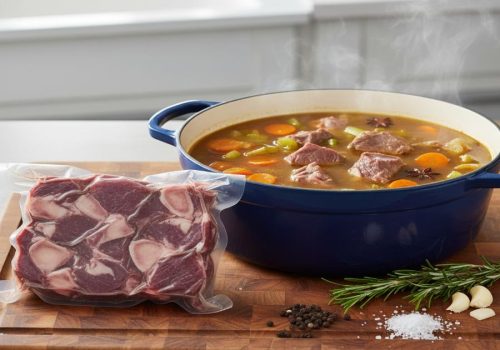 Boiling Meat
Original price was: $15.00.$12.00Current price is: $12.00.
Boiling Meat
Original price was: $15.00.$12.00Current price is: $12.00.
